
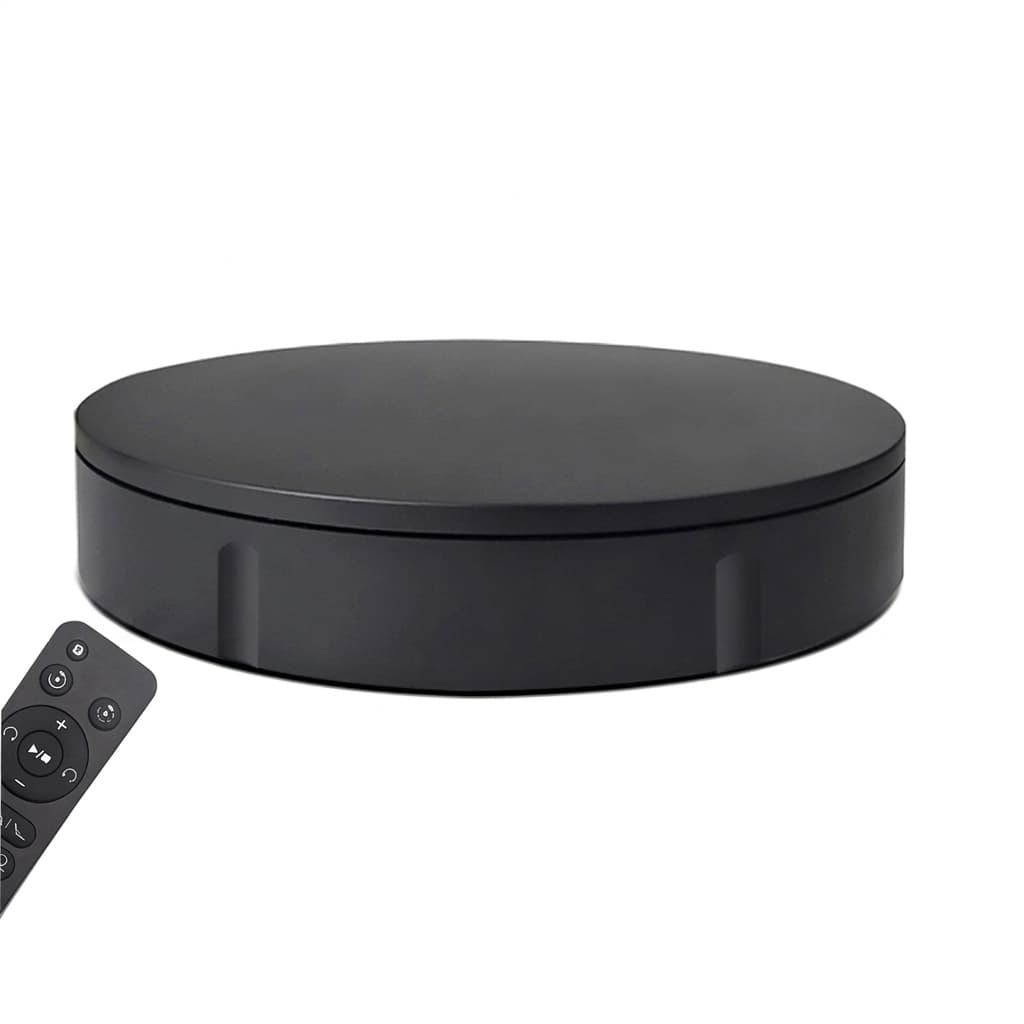
2026-W23 Servo Rotary Sourcing Tariff Gate
Week-23 buyer brief for servo hollow rotary tables: U.S. metal-tariff changes, trade-flow pressure, bore/load selection boundaries, and PO-release actions.
Decision-level conclusion (W23): do not resize a servo hollow rotary table just to chase tariff noise. Keep bore size, moment load, stiffness, and positioning accuracy tied to the machine process, but add a written metal-content + HTS + origin + control-compatibility gate before any U.S.-bound PO released after 2026-06-08.
This update is for automation OEM engineers, machine builders, system integrators, distributors, and procurement managers sourcing servo hollow rotary tables, rotary indexing platforms, and precision rotary axes into the United States, European Union, and Asia-Pacific supply routes.
Scope window: 2026-05-08 to 2026-06-07.
Target week: 2026-W23.
Last verified: 2026-06-07.
Immediate internal route: start with the buyer guide library, compare current signals against prior news updates, shortlist matching precision rotary table classes, and escalate unresolved HTS/origin assumptions through contact before PO release.
Applicability, Dates, and Buyer Boundary
- Applies to: new RFQs, quote revalidation, alternate-source qualification, and PO release for metal-heavy rotary platforms shipped into U.S. channels.
- Relevant engineering features: hollow bore diameter, axial/radial/moment load, reducer/bearing stiffness, repeatability, encoder interface, servo tuning envelope, and fixture/baseplate mass.
- Does not replace: customs classification rulings, legal advice, sanctions screening, or supplier-specific tariff calculations.
- Decision boundary: if process physics require a through-bore or load class, keep it; control landed-cost risk through documentation and route governance.
What Changed (Last 30 Days)
| Date | Primary-source signal | What changed | Buyer-facing impact | Signal strength |
|---|---|---|---|---|
| 2026-06-04 | Federal Register, FR Doc. 2026-11314 | A presidential proclamation further adjusted U.S. section 232 tariff regimes for aluminum, steel, and copper imports, with key changes effective 2026-06-08 12:01 a.m. EDT. | Rotary-table quotes now need explicit metal-content, HTS, country/origin, and derivative-article assumptions before PO release. | High |
| 2026-06-04 | Federal Register, FR Doc. 2026-11314 | The notice says fixed industrial machinery and power equipment had been temporarily reduced to 15% under Proclamation 11021, and the new proclamation modifies derivative categories and mobile industrial equipment treatment. | Do not assume last month's machinery treatment still matches this week's quote; require quote validity language by HTS line. | High |
| 2026-06-04 | Federal Register, FR Doc. 2026-11314 | The threshold for products treated as made entirely from U.S. aluminum, steel, or copper changed from 95% to 85% of the relevant metal weight. | Suppliers claiming U.S.-metal treatment should disclose the basis and weight calculation, not only a marketing origin label. | High |
| 2026-05-29 | U.S. Census Bureau Advance Economic Indicators, April 2026 | Advance goods deficit was $82.4B in April; exports were $219.7B and imports were $302.1B. | APAC and transatlantic supply planning still needs route buffers; trade flow remains large enough that customs assumptions can move schedule and landed cost. | High |
| 2026-05-08 to 2026-06-07 | ISO 230-2 / ISO 230-7 standard pages, used as selection baseline | No new mandatory rotary-table-specific ISO rule was verified in this window, but ISO 230-2 and ISO 230-7 remain the clean public baseline for positioning and rotary-axis test language. | Keep accuracy and repeatability acceptance tests stable while procurement controls change. | Medium |
| 2026-05-08 to 2026-06-07 | European Commission sanctions guidance and 2026 sanctions package background | No new EU rule in this window was verified as directly changing ordinary servo rotary table classification; anti-circumvention risk remains relevant for machine-tool routes. | EU buyers should keep route/entity screening as a release gate, but should not overstate it as a blanket ban on precision rotary platforms. | Medium |
Signal Timeline: What Actually Moves the PO Clock
Why It Matters for Bore Size, Load Capacity, and Precision Positioning
The new signal does not prove that every servo hollow rotary table receives the same duty treatment. It does prove that metal-heavy industrial equipment quoting is now too sensitive to leave customs assumptions implicit.
| Rotary-platform decision | Engineering rule that should not change | New procurement control | Failure mode if skipped |
|---|---|---|---|
| Through-bore diameter | Keep bore driven by cable, tube, vacuum, or fixture pass-through requirements. | Ask supplier to map each quoted variant to HTS and metal-content assumptions. | Cost-down bore reduction creates routing interference or redesign. |
| Axial load | Keep based on clamping force, vertical stack mass, and bearing life. | Separate base unit, adaptor plate, and fixture hardware in the quote. | Metal-sensitive accessory cost is hidden inside a single unit price. |
| Moment load | Keep based on offset tooling, overhung mass, and acceleration profile. | Require equivalent-source bolt circle, center height, and stiffness evidence. | Alternate source passes price review but fails station geometry. |
| Repeatability | Keep acceptance test in arc-sec or arc-min with the same method across suppliers. | Document whether alternate reducer/encoder changes the test method. | Teams compare non-equivalent accuracy claims. |
| Servo control fit | Keep validated drive protocol and tuning architecture where possible. | Require inertia, encoder, motor, and drive protocol delta sheet. | Source switch creates late retune and cycle-time loss. |
| U.S. landed cost | Keep mechanical selection performance-led. | Add base, tariff-stress, and route-change scenarios. | Quote looks approved but margin changes after entry. |
Buyer Impact: Translate the Tariff Signal Into RFQ Fields
| RFQ field to add this week | Why it belongs in the buyer packet | Owner | Pass condition |
|---|---|---|---|
| HTS assumption by line item | Federal Register changes are implemented through HTSUS modifications. | Procurement + customs broker | Supplier and broker agree on each major line. |
| Metal-content statement | The June 4 proclamation changes how U.S.-metal treatment is calculated. | Supplier + buyer compliance | Weight basis and material origin are stated, not inferred. |
| Country/origin route | Reduced or alternative treatment depends on jurisdiction and product facts. | Procurement | Origin and ship route match invoice, packing list, and broker file. |
| Accessory split | Bases, adaptor plates, racks, brackets, and covers may have different exposure than the rotary core. | Mechanical engineering + procurement | Quote separates platform from structural hardware. |
| Control delta sheet | Tariff-driven source switches can break servo integration. | Controls engineering | Encoder, motor inertia, protocol, and tuning differences are listed. |
| Acceptance-test parity | ISO 230-2/230-7 style language prevents vague positioning claims. | Quality + engineering | Same test condition is used for primary and alternate source. |
PO-Release Gate for U.S.-Bound Rotary Platforms
| Gate | Evidence required | Who signs | Hold trigger |
|---|---|---|---|
| Spec lock | Final bore/load/stiffness criteria and acceptance test method | Mechanical engineering | Supplier proposes a smaller class only to reduce cost. |
| Control fit | Inertia, encoder, motor, drive protocol, and tuning-delta sheet | Controls engineering | Alternate source changes servo behavior without a retune plan. |
| Tariff file | HTS assumption, origin, metal-content statement, and broker review | Procurement + compliance | Quote lacks line-level customs assumptions. |
| Scenario price | Base case, tariff-stress case, and route-change case | Procurement + program manager | Landed-cost range is missing or expires before entry date. |
Risks, Constraints, and Evidence Gaps
| Risk / boundary | Confirmed evidence | What this page does not claim | Practical mitigation |
|---|---|---|---|
| U.S. tariff treatment changed close to PO timing | Federal Register publication dated 2026-06-04 with effective terms from 2026-06-08. | No universal rate is asserted for every servo rotary table SKU. | Broker-reviewed HTS and metal-content file. |
| Machinery derivative treatment is nuanced | The proclamation discusses fixed industrial machinery, mobile industrial equipment, and derivative categories. | No claim that a rotary indexer automatically qualifies for any reduced category. | Treat each line item separately. |
| Trade flow remains large | Census April advance goods imports were $302.1B. | Macro trade data does not prove shortage or lead-time delay for one model. | Add route and inventory buffers for critical axes. |
| EU route screening still matters | European Commission sanctions pages describe anti-circumvention controls around sanctioned goods and machine-tool pathways. | No blanket EU import ban is claimed for ordinary rotary platforms. | Keep entity, end-use, and route checks in the release packet. |
| Accuracy language can get diluted during source switching | ISO 230-2 and ISO 230-7 provide public baseline terminology for positioning and rotary-axis geometry. | ISO pages do not certify supplier performance. | Require same test setup and report format for both suppliers. |
Action Checklist: Who Should Act Now
Automation OEM Engineers
- Keep the process-required bore-through diameter and load class unchanged unless the machine requirement changes.
- Add an alternate-source geometry sheet: bolt circle, pilot diameter, center height, table height, moment stiffness, reducer ratio, and output inertia.
- Freeze repeatability, backlash, and thermal-drift acceptance methods before quote comparison.
Machine Builders and System Integrators
- Separate the rotary core from adaptor plates, guarding, steel racks, brackets, and base hardware in the bill of materials.
- Require a servo-control delta sheet for every alternate-source proposal.
- Add one schedule scenario where the preferred U.S. entry route changes after FAT.
Procurement Managers and Distributors
- Ask for
HTS assumption,metal-content basis,origin, androuteas quote fields, not post-award paperwork. - Revalidate quotes that were built before 2026-06-08 and will enter the U.S. after that date.
- Require base and stress landed-cost scenarios before promising fixed resale pricing.
Sourcing Playbook for This Week
| Scenario | Buyer action | Engineering action | Commercial action |
|---|---|---|---|
| New U.S.-bound RFQ | Add tariff evidence fields before supplier shortlist. | Keep performance class stable. | Quote base and tariff-stress cases. |
| Existing quote, PO not released | Revalidate against 2026-06-08 effective terms. | Check whether any proposed source switch changes inertia or encoder interface. | Update validity date and incoterm assumptions. |
| Alternate APAC supplier | Confirm route, origin, and metal-content basis. | Require same accuracy test method and geometry interface. | Do not approve on unit price alone. |
| EU-destined machine build | Keep route/entity screening in the release packet. | Keep CE and machinery safety file aligned with final axis configuration. | Avoid undocumented transshipment routes. |
| Urgent replacement axis | Prioritize mechanical/control interchangeability first. | Run abbreviated retune and acceptance test. | Accept premium only with written customs assumptions. |
Related Internal Playbooks and Next Steps
- Use the /blog news category to compare W23 tariff gates with earlier weekly sourcing signals.
- Use the /blog product category for RFQ templates, sample-validation plans, and servo-control compatibility checks.
- Shortlist product families in /products before changing bore, load, or reducer assumptions.
- Validate application fit in /solutions when cycle time, fixture mass, or precision-positioning risk dominates.
- Send unresolved customs, route, or source-switch assumptions through /contact with RFQ version, HTS assumption, and quote validity date attached.
FAQ
1. Does the June 4 Federal Register notice mean every servo hollow rotary table has the same new duty rate?
No. The notice is strong evidence that the tariff regime changed, but SKU treatment still depends on HTS classification, product facts, origin, and metal-content assumptions.
2. Should we reduce bore size to lower exposure?
Usually no. A smaller bore can break cable, pneumatic, vacuum, or fixture routing. Keep bore process-led and control exposure through quote structure.
3. What is the minimum evidence packet before PO release?
At minimum: mechanical specification lock, control-compatibility sheet, HTS assumption, origin/route statement, metal-content basis, and base versus stress landed-cost scenarios.
4. How should buyers handle quotes issued before June 8, 2026?
If the goods enter the United States on or after 2026-06-08 12:01 a.m. EDT, ask the supplier and broker to revalidate assumptions against the June 4 proclamation.
5. Do ISO 230-2 and ISO 230-7 create a new requirement this week?
No new mandatory rotary-table-specific ISO change was verified in this window. Use ISO 230-2 and ISO 230-7 as stable test-language references when comparing positioning and rotary-axis claims.
6. Why include Census trade data if it is not SKU-specific?
It is not a SKU forecast. It is useful because it shows trade flow remains large enough that customs, route, and inventory assumptions should be treated as schedule controls.
7. Should EU buyers change suppliers because of U.S. tariff changes?
Not automatically. EU buyers should keep sanctions and anti-circumvention screening in place, especially around machine-tool routes, but should not treat the U.S. tariff notice as an EU import ban.
8. What should distributors tell customers this week?
Quote fixed mechanical performance separately from landed-cost assumptions. Customers should see where the rotary platform spec is stable and where customs assumptions can still move.
Sources
-
Further Adjusting the Tariff Regimes for Imports of Aluminum, Steel, and Copper Into the United States - Executive Office of the President, Federal Register, published 2026-06-04.
https://www.federalregister.gov/documents/2026/06/04/2026-11314/further-adjusting-the-tariff-regimes-for-imports-of-aluminum-steel-and-copper-into-the-united-states -
Advance Economic Indicators Report - April 2026 - U.S. Census Bureau, released 2026-05-29.
https://www.census.gov/econ/indicators/current/index.html -
Sanctions adopted following Russia's military aggression against Ukraine - European Commission, accessed 2026-06-07 for anti-circumvention and prohibited-goods boundary context.
https://finance.ec.europa.eu/eu-and-world/sanctions-restrictive-measures/sanctions-adopted-following-russias-military-aggression-against-ukraine_en -
ISO 230-2:2014 - Test code for machine tools - Part 2: Determination of accuracy and repeatability of positioning of numerically controlled axes - International Organization for Standardization, accessed 2026-06-07.
https://www.iso.org/standard/55295.html -
ISO 230-7:2015 - Test code for machine tools - Part 7: Geometric accuracy of axes of rotation - International Organization for Standardization, accessed 2026-06-07.
https://www.iso.org/standard/56624.html
Author

Categories
More Posts
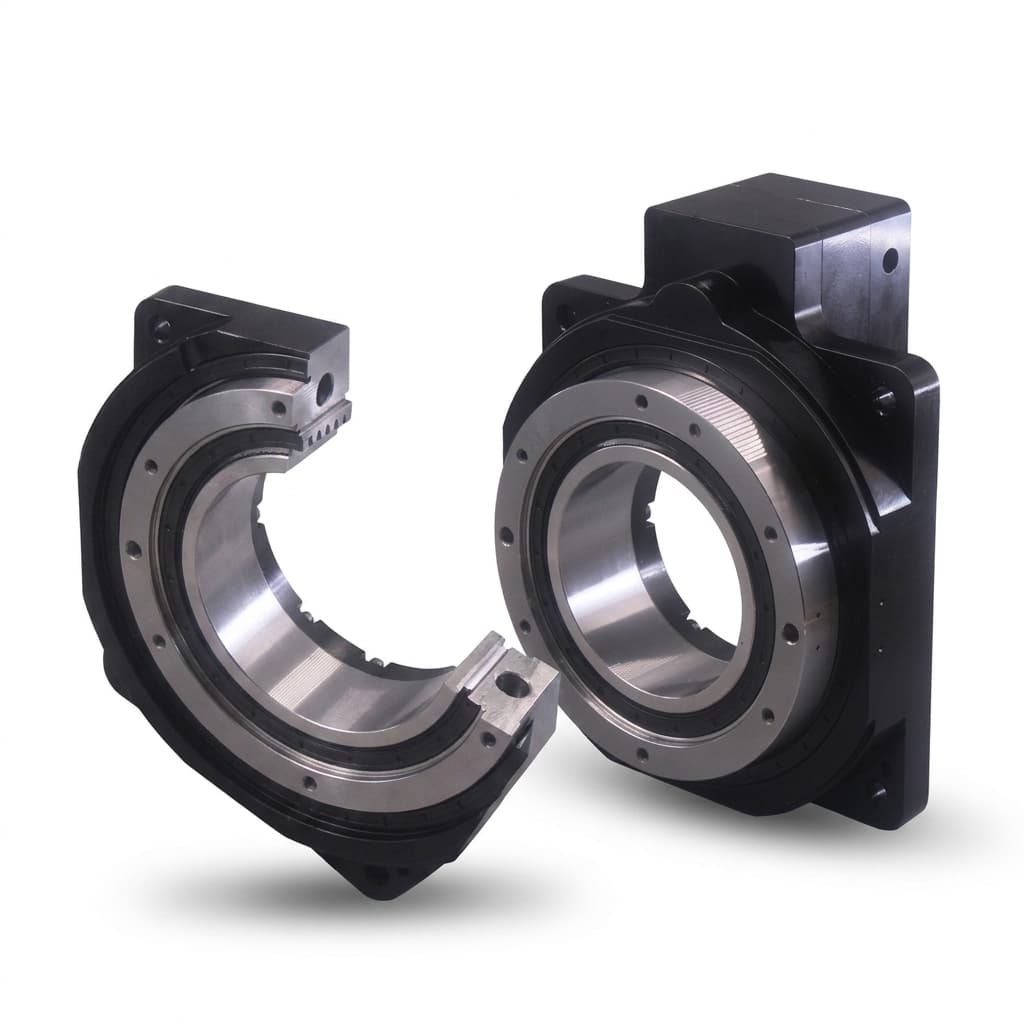
2026-W21 Rotary Sourcing Update: Compliance and Quality Gates Before PO Release
Week-21 brief for servo hollow rotary tables: U.S./EU compliance shifts, APAC supplier signals, and PO-release actions for bore/load and positioning decisions.
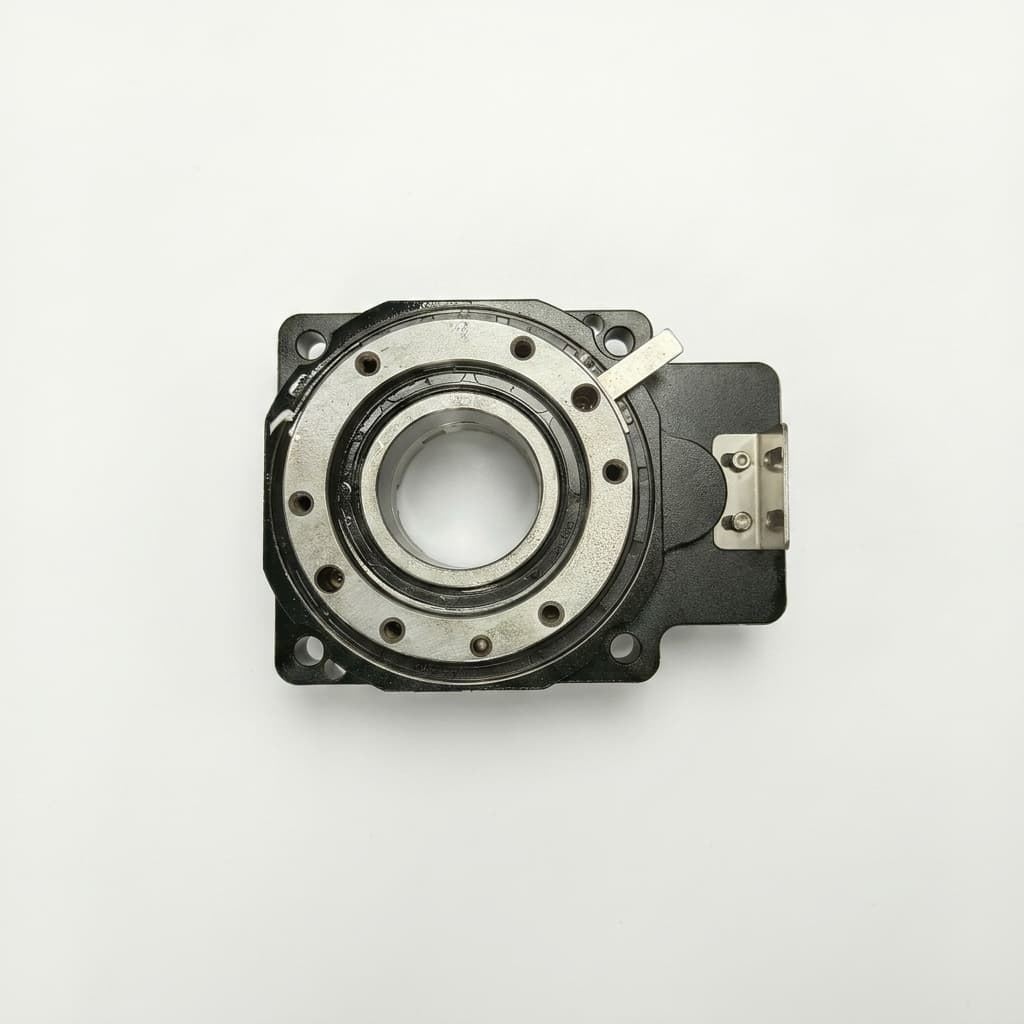
Arc-min vs. Arc-sec in Servo Rotary Actuators: A Backlash Procurement Guide
Compare arc-min vs. arc-sec backlash in servo rotary actuators, calculate radius error, and request the right precision spec before you issue the RFQ.
Rotary RFQ Template: 12 Fields to Prevent Rework
A practical RFQ template for OEM buyers to reduce quote loops, lock technical assumptions, and compare servo rotary suppliers on equal terms.