
ServoRotary Engineering Blog
Sourcing checklists, sizing methods, and OEM execution guides for industrial motion projects.
How to Use These Buyer Guides
This library is built for procurement and engineering alignment, not general marketing reading. Each article includes decision criteria, risk controls, and practical actions you can reuse in real RFQ and validation workflows.
- Start from selection guides to narrow architecture choices.
- Use RFQ checklists to reduce back-and-forth with suppliers.
- Bring the same acceptance criteria into sample and mass-production gates.
Reading Order by Project Stage
Read articles in decision order so your team moves from model screening to RFQ quality and then to customization governance without missing critical handoff details.
| Project Stage | Recommended Article | Decision Output |
|---|---|---|
| product | Battery-less vs. Battery-Backed Encoders in Servo Rotary Tables: A TCO Guide | Reusable acceptance criteria and checklists for supplier communication. |
| product | Inertia Mismatch in Servo Rotary Tables: A Sizing & Procurement Guide | Reusable acceptance criteria and checklists for supplier communication. |
| product | Direct Drive vs Servo Hollow Rotary Tables: A Procurement and TCO Comparison | Reusable acceptance criteria and checklists for supplier communication. |
You can also filter by buyer intent in our product, company, and news categories.
What Makes a Guide Decision-Grade
Every article on this site is written for cross-functional buyer reviews where engineering, procurement, and quality must sign from the same evidence. We avoid generic trend commentary and focus on decision artifacts you can copy into live supplier workflows.
| Content Block | What You Get | Buyer Outcome |
|---|---|---|
| Scope + limits | Applicability window, last-verified date, and clear non-coverage boundary. | Prevents teams from overextending one article into unrelated compliance or legal decisions. |
| Checklist and pass/fail gates | RFQ fields, sample validation rules, and PO release blockers. | Reduces quote loops and aligns supplier comparison on shared technical assumptions. |
| Evidence and source references | Named standards, policy sources, and data definitions. | Improves auditability when internal teams challenge decision rationale. |
If your project needs a custom decision pack, send your duty cycle, tolerance target, and route assumptions to [email protected]. We can map the relevant guides into a practical review sequence.
Typical first-step bundle: one architecture-fit guide, one RFQ structure guide, and one validation governance guide. This trio usually provides enough shared context for engineering, procurement, and quality teams to complete a first-round supplier review without restarting from missing assumptions.
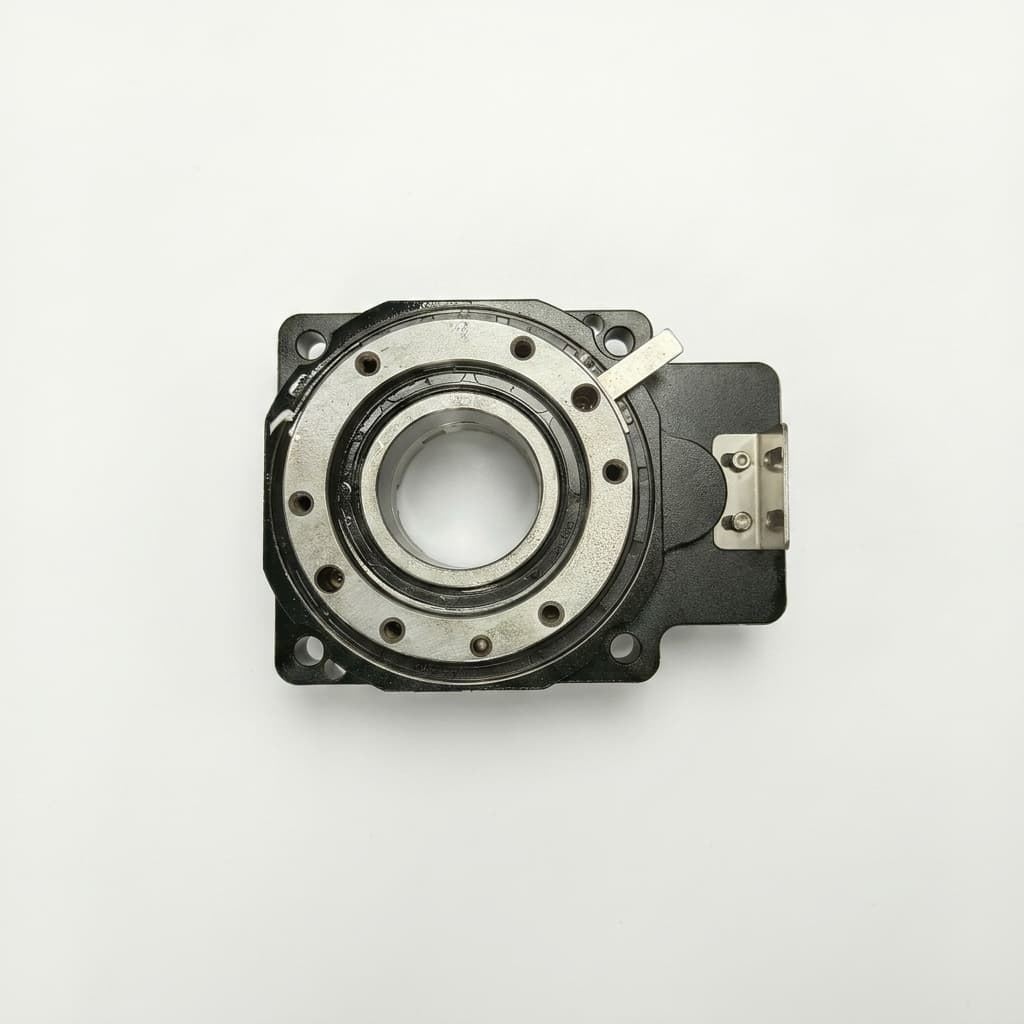
Battery-less vs. Battery-Backed Encoders in Servo Rotary Tables: A TCO Guide
Discover why procurement teams are switching to battery-less absolute encoders for servo rotary actuators. Compare TCO, maintenance costs, and integration requirements.

Inertia Mismatch in Servo Rotary Tables: A Sizing & Procurement Guide
Learn how inertia mismatch affects servo hollow rotary tables, calculate ratios, avoid tuning failure, and ask suppliers for the right sizing proof before RFQ.
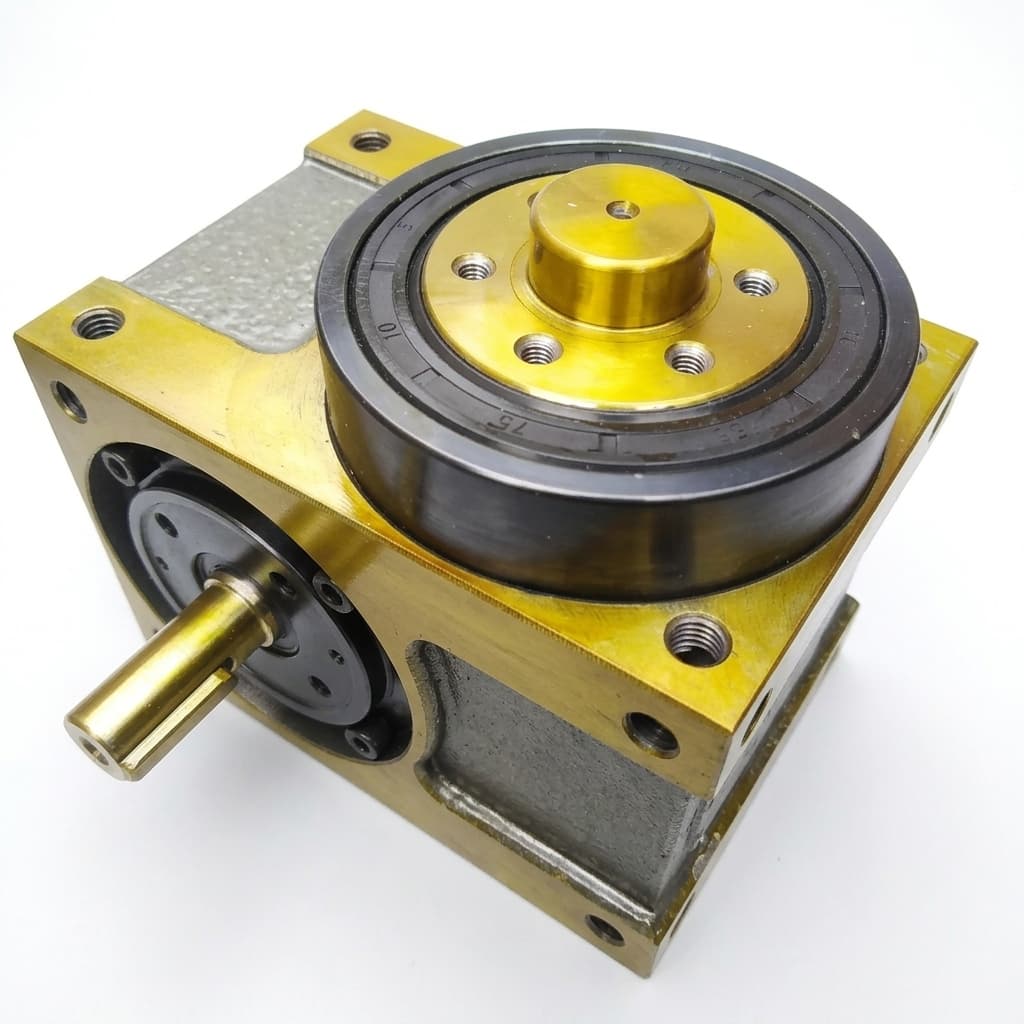
Direct Drive vs Servo Hollow Rotary Tables: A Procurement and TCO Comparison
Direct Drive Rotary vs Servo Hollow Rotary Tables for precision indexing: compare backlash, inertia, tuning effort, lead-time risk, and TCO before RFQ.
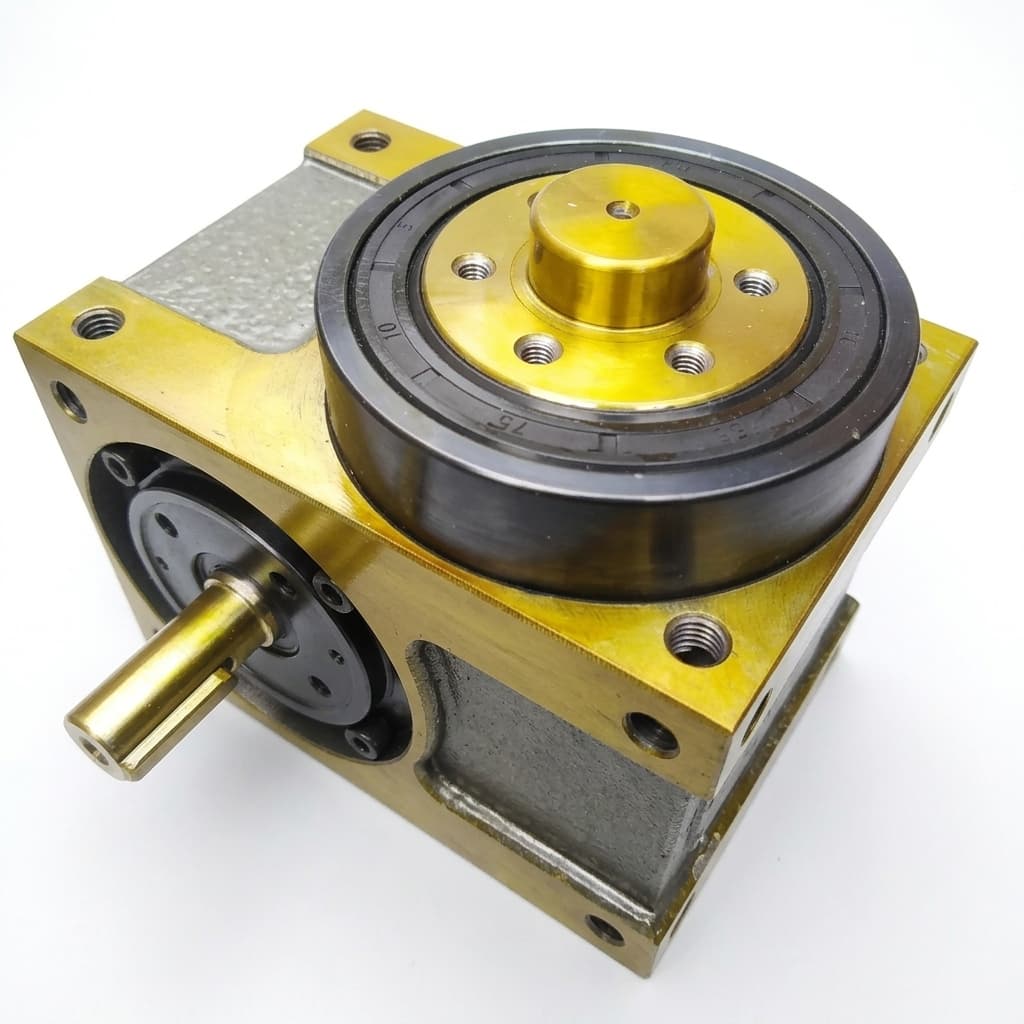
IP67 vs IP69K Servo Rotary Actuators: A Procurement and Specification Guide
Compare IP67 vs IP69K servo rotary actuators for washdown duty, dynamic seal risks, chemical limits, and supplier questions before RFQ.
Arc-min vs. Arc-sec in Servo Rotary Actuators: A Backlash Procurement Guide
Compare arc-min vs. arc-sec backlash in servo rotary actuators, calculate radius error, and request the right precision spec before you issue the RFQ.
Pneumatic vs. Servo Hollow Rotary Tables: A TCO and Performance Procurement Guide
A comprehensive lifecycle and Total Cost of Ownership (TCO) analysis comparing pneumatic indexing tables with servo-driven hollow rotary tables for procurement and engineering teams.